Brain science changes how you learn, teach, lead, and care for the people around you. These articles translate cognitive neuroscience research into practical strategies you can actually use.
Click on Topics below:
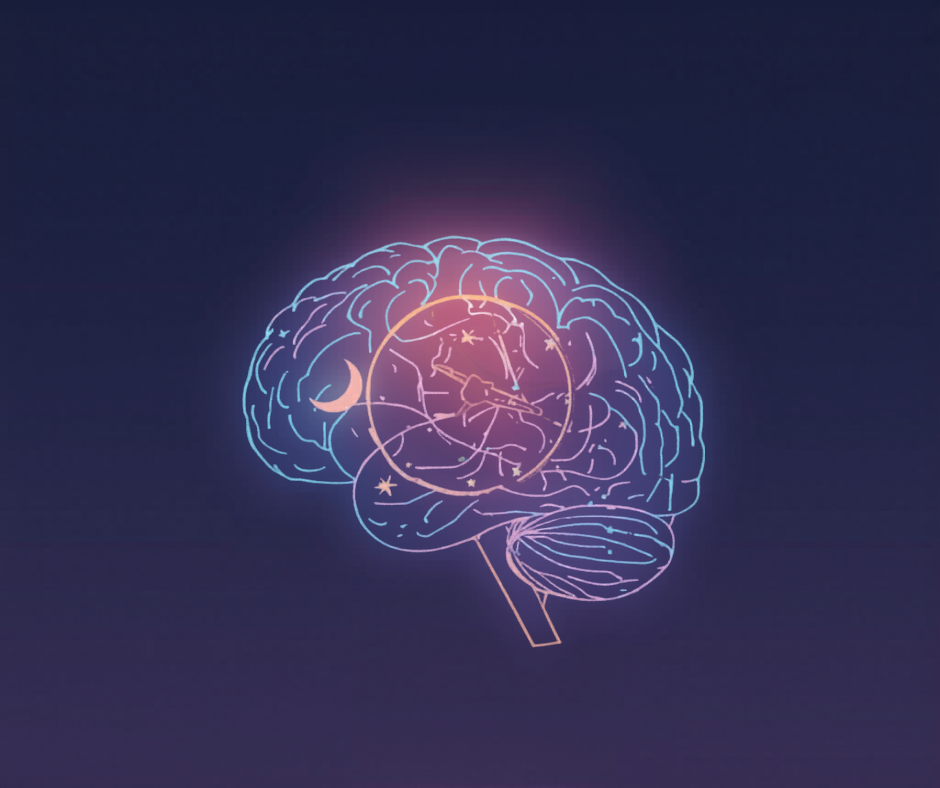
Your teenager's brain runs on a different clock
Your teenager's brain runs on a different circadian clock. Cognitive neuroscientist Amelia Enginco-Figueroa explains why adolescent sleep patterns shift later during puberty and what parents and educators can do, to help them avoid lost sleep (directly impairing their attention, working memory, and retrieval under stress).
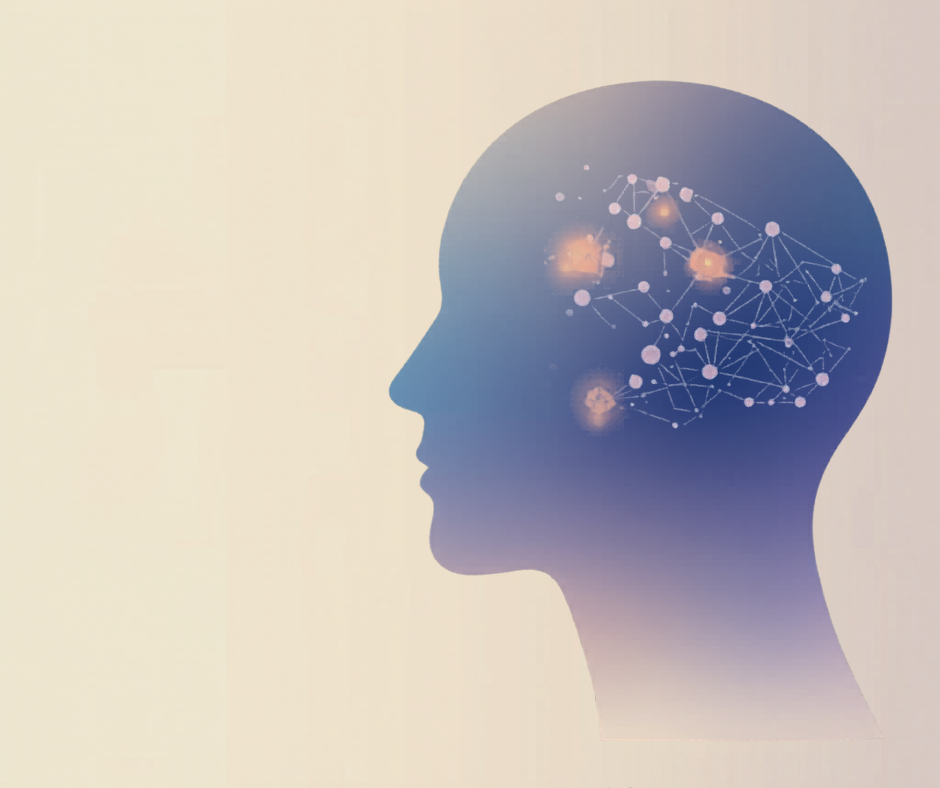
The Invisible Bottleneck: Why Smart Students Still Struggle
A student understands the material but still struggles to retrieve it when needed. The problem is about working memory (the brain's limited real-time processing workspace). Cognitive neuroscientist Amelia Enginco-Figueroa explains what working memory is, why it bottlenecks performance under pressure, and how students can train it.

The Student Got an A+ But Did They Learn Anything?
AI can produce the answer faster than your child can think it through. Cognitive neuroscientist Amelia Enginco-Figueroa explains why the real risk is the quiet erosion of independent thinking, and what parents and educators can do to help students build cognitive strength in the AI era.
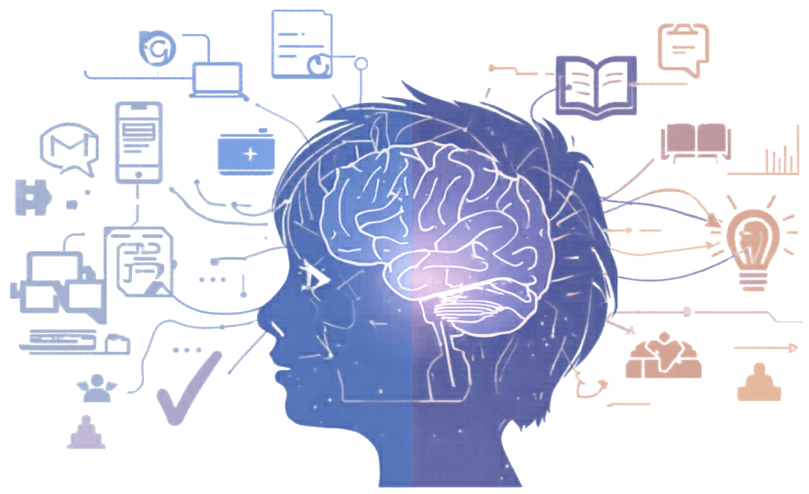
Your Child Knows the Answer, But Their Brain Can't Find It
Screen time isn't the enemy, but it is reshaping how your child's brain pays attention. Cognitive neuroscientist Amelia Enginco-Figueroa explains what the research shows about focus, dopamine, and executive attention, and shares practical strategies parents can use to help kids retrain their concentration.
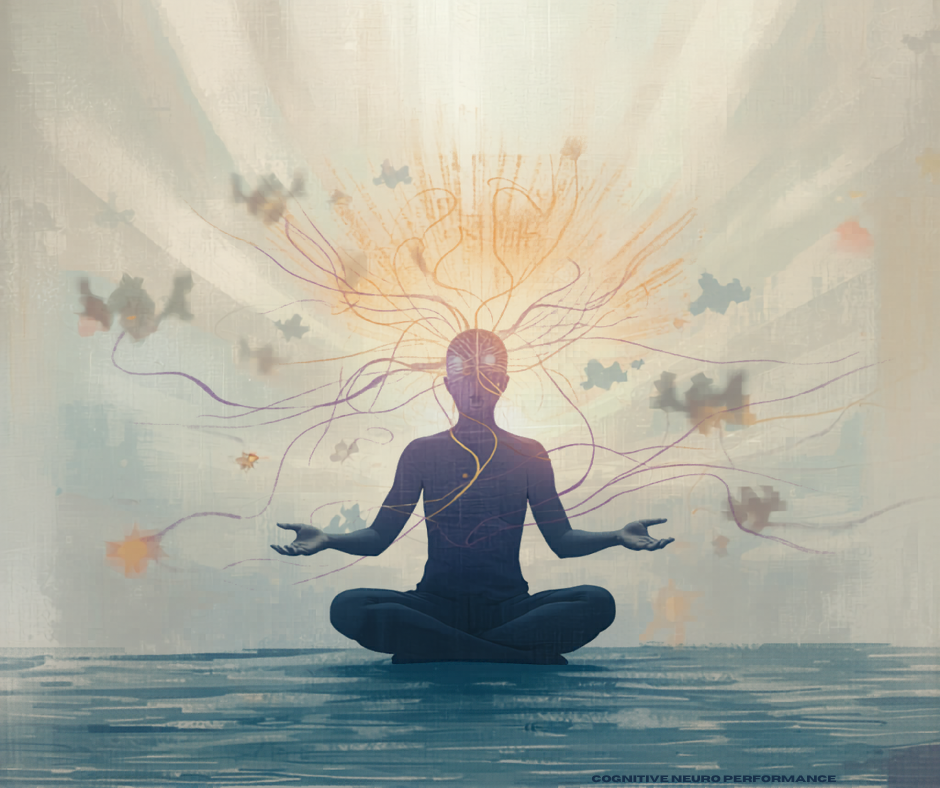
The Neuroscience of Emotional Regulation
Emotional regulation is a cognitive skill with identifiable neural circuits that can be measured and trained. Cognitive neuroscientist Amelia Enginco-Figueroa explains how the prefrontal cortex and amygdala interact, why some people regulate better than others, and practical strategies grounded in the brain science.
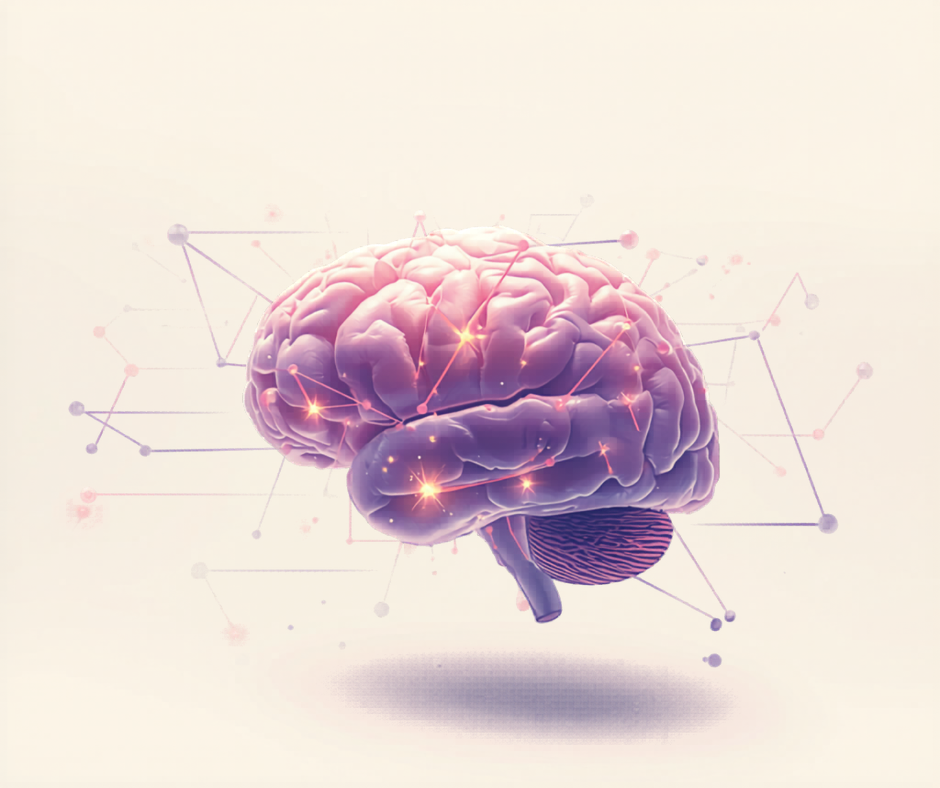
You Make 35,000 Decisions a Day With an Organ You've Never Been Taught to Manage
Cognitive neuroscience studies how the brain produces thought, memory, attention, and behavior. Amelia Enginco-Figueroa explains what the field is, what it has discovered, and why its findings matter for education, work, caregiving, and everyday life.